A home for India's scriptures, their teachers and their debates.
The Chanakya International Council preserves rare manuscripts, publishes classical texts, teaches the Vedas and the śāstras, and brings the leaders of the tradition together to debate. Its permanent campus at Kurukshetra is planned to open in 2028.
New forumManas: Hindu dharma, culture and artificial intelligenceA standing table where the tradition's many voices can think about AI together.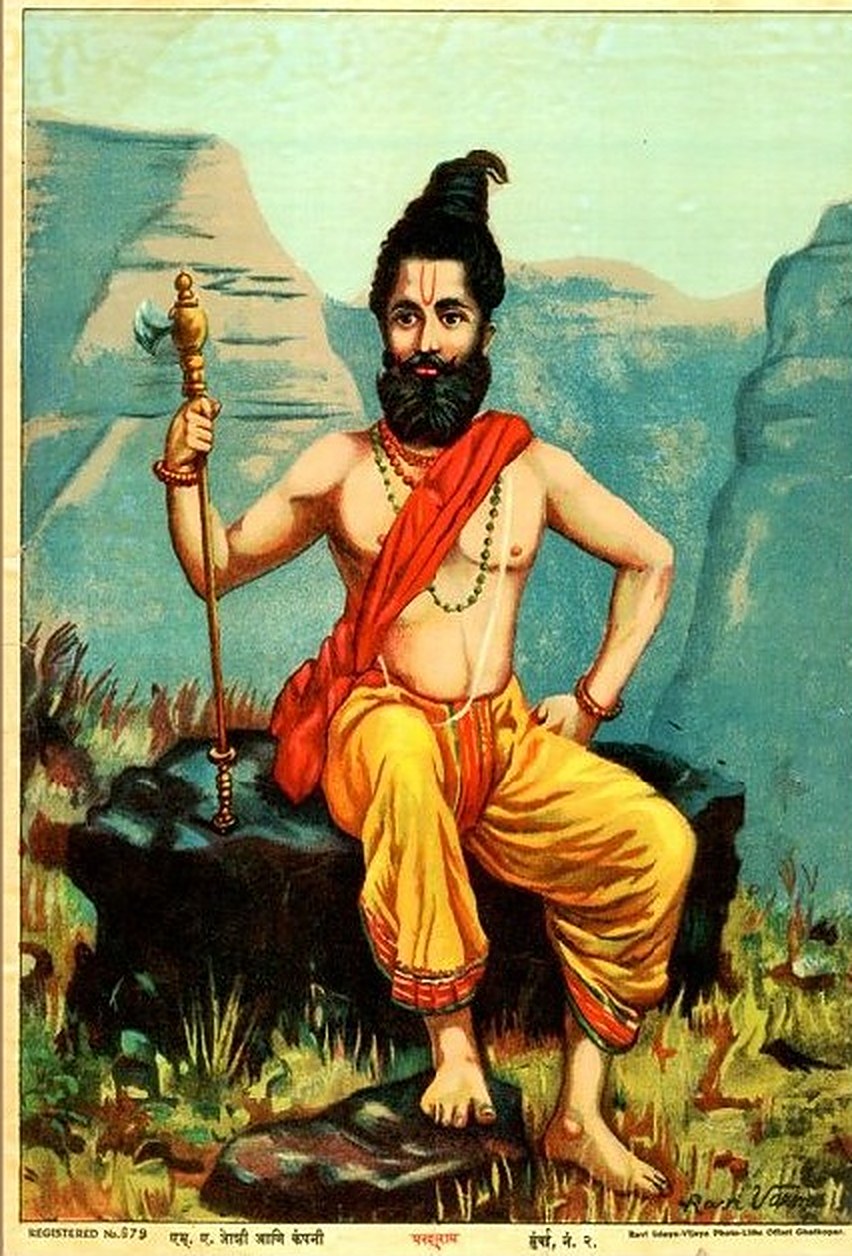
Keeping the tradition in the hands of people who study it.
India's scriptures have survived for three thousand years because people kept them: scribes who copied manuscripts, teachers who recited the Vedas to students, scholars who argued over their meaning in open debate. The Council exists to keep that chain unbroken, and to give it a permanent home.
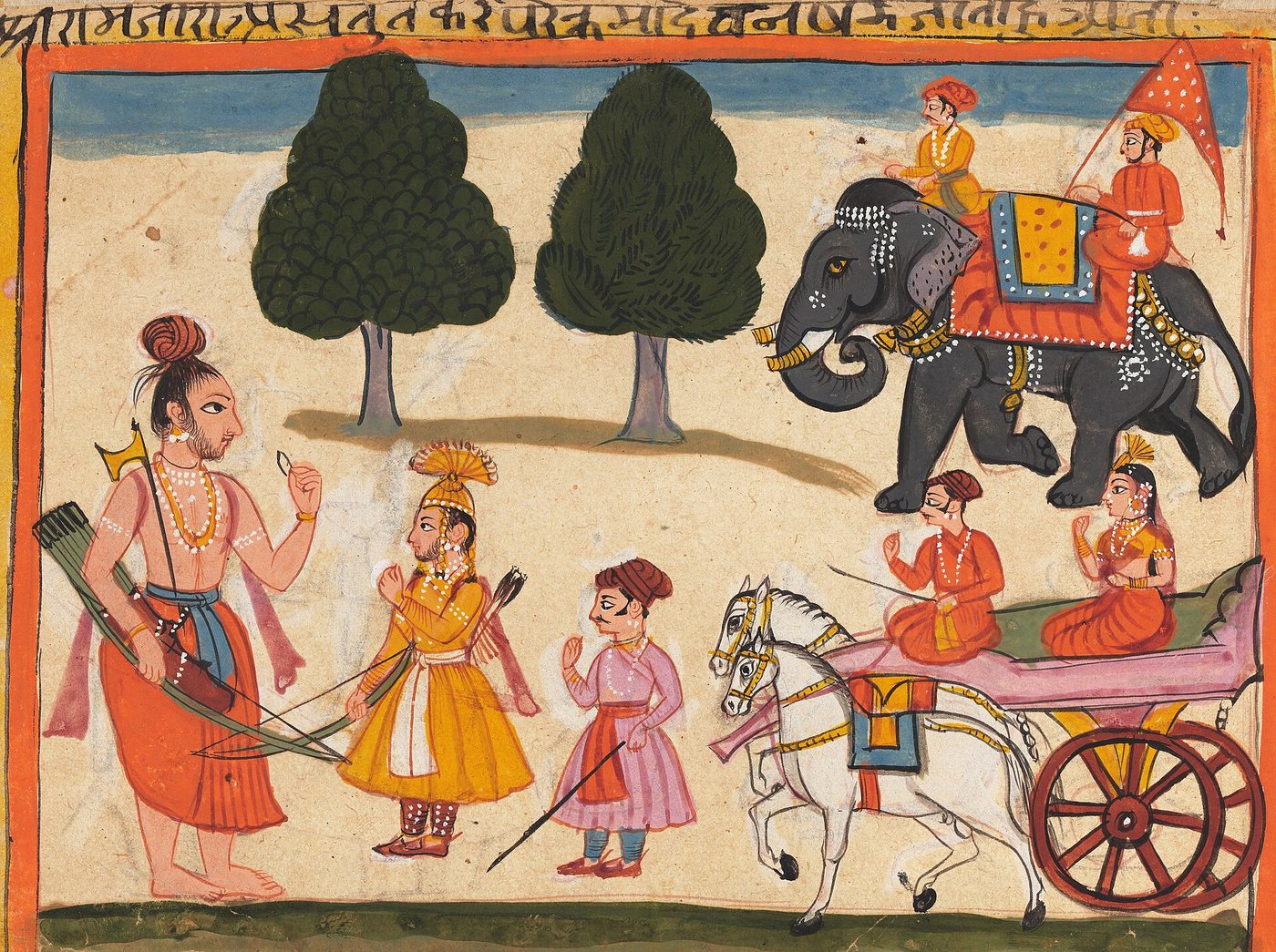
We stand in two lines of teachers. Bhagawan Parashurama, revered as the sixth avatar of Vishnu, was a Brahmin sage who mastered both śāstra and śastra, scripture and arms, and taught Bhishma, Drona and Karna. Chanakya, our namesake, was a teacher at Takshashila whose learning shaped an empire, and who held that knowledge exists to serve the welfare of the people.
From both we take the same lesson: learning is a duty to be kept, taught and defended. The Council is independent and nonpartisan.
Preserve
Rare manuscripts, conserved, catalogued and digitised before they are lost.
Publish
Classical texts and new scholarship, in many languages, at prices people can afford.
Teach
The Vedas and the śāstras in the classical manner, beside modern study.
Debate
Seminars that bring the leaders of the tradition into the same room, in the spirit of śāstrārtha.
What we are building
Three pillars, which come together on the campus at Kurukshetra.
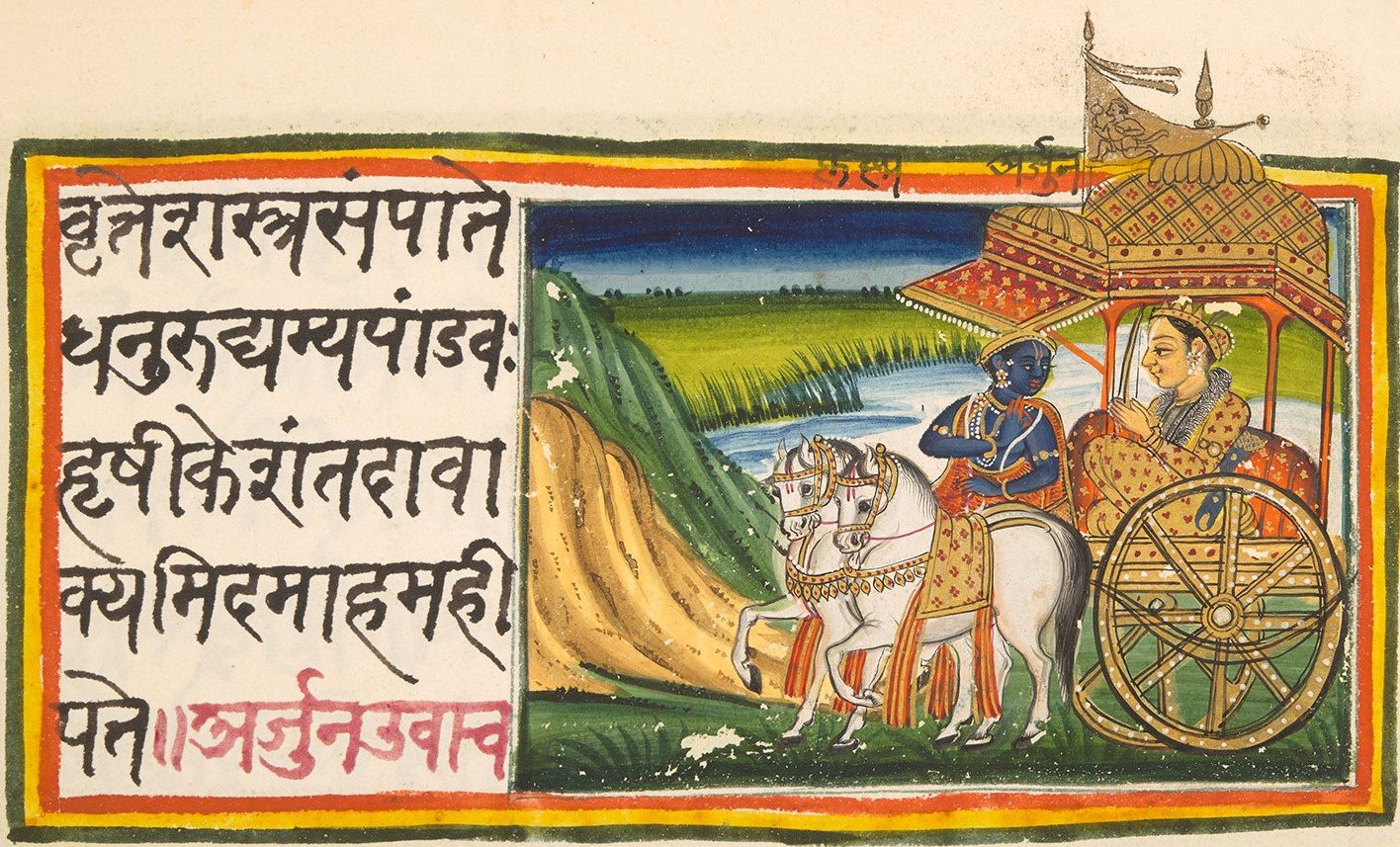
The Great Library and Press
Among the largest libraries of Indian heritage: rare manuscripts in a climate-controlled vault, printed books and digital archives, open to scholars and the public. Beside it, a working press in the spirit of the Gita Press, printing classical texts and new scholarship.
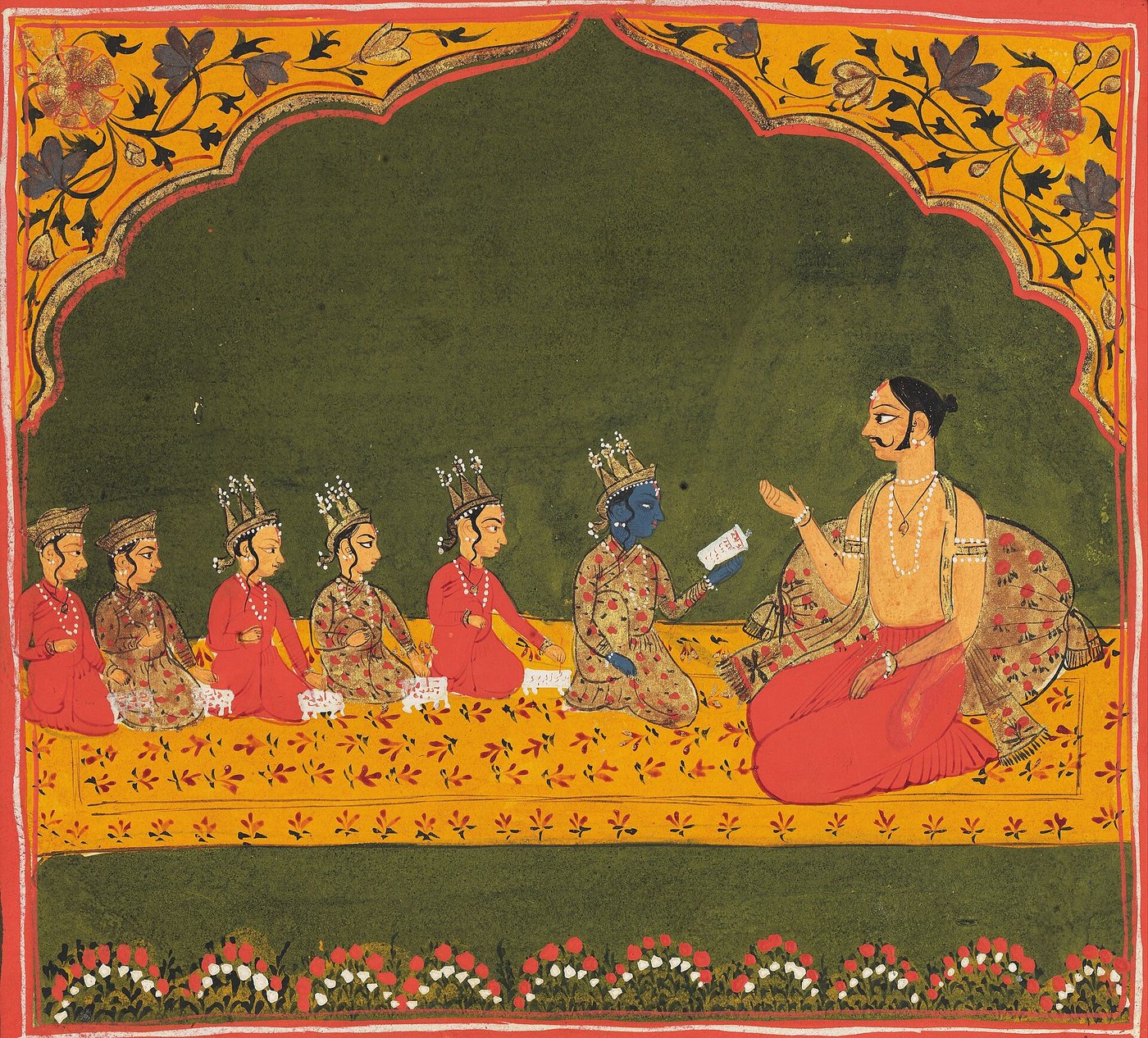
Vedic classrooms
Pathshalas where the Vedas and the śāstras are taught in the classical way, from teacher to student, alongside modern classrooms for Sanskrit, languages and the sciences of the tradition.
Seminars and debate
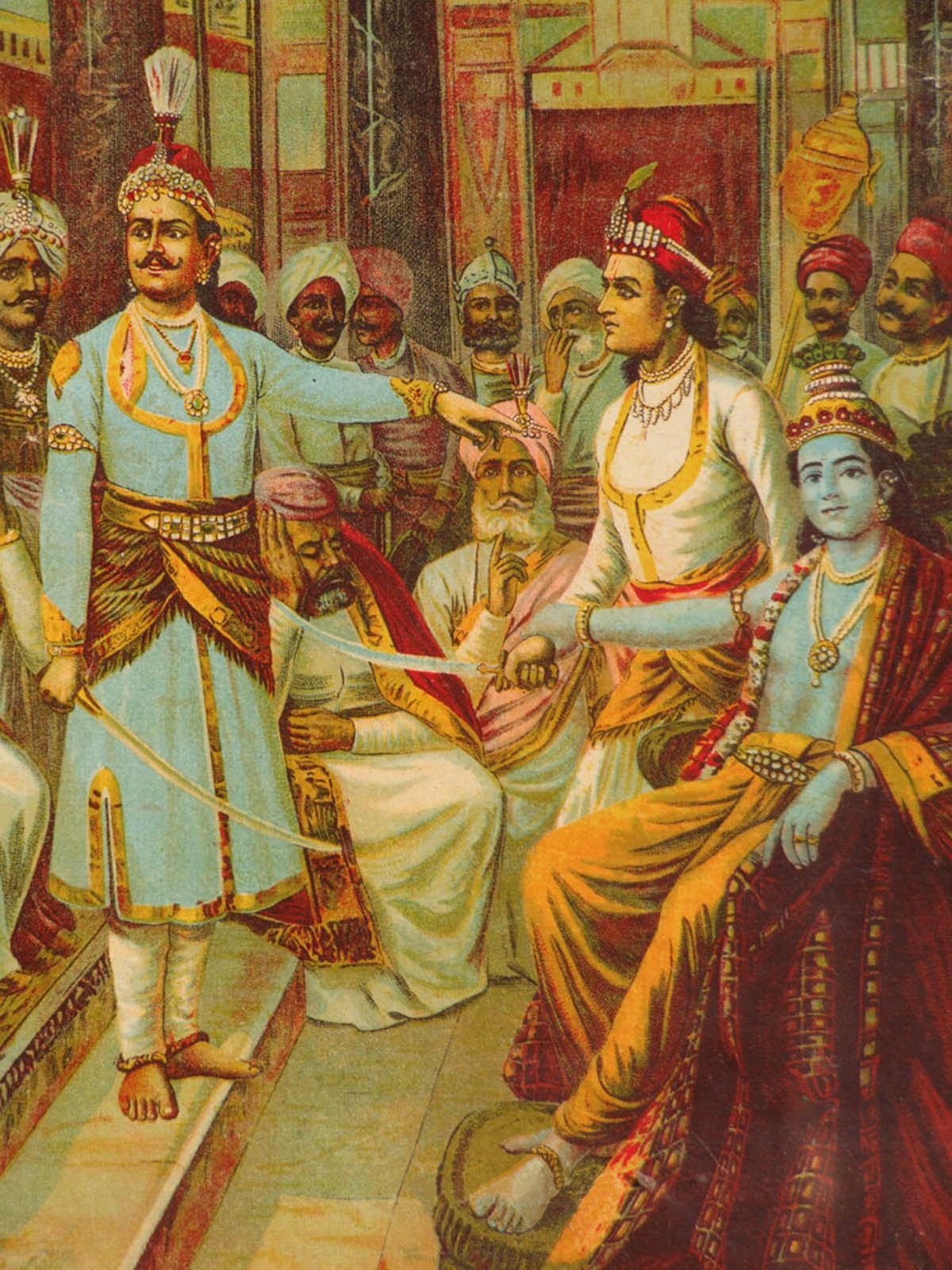
Gatherings that bring heads of maṭhas, temples, universities and public institutions together, with formal debate in the spirit of śāstrārtha, the classical contest of argument.
Our programs
The work already under way, while the campus is built.
Sutradhara
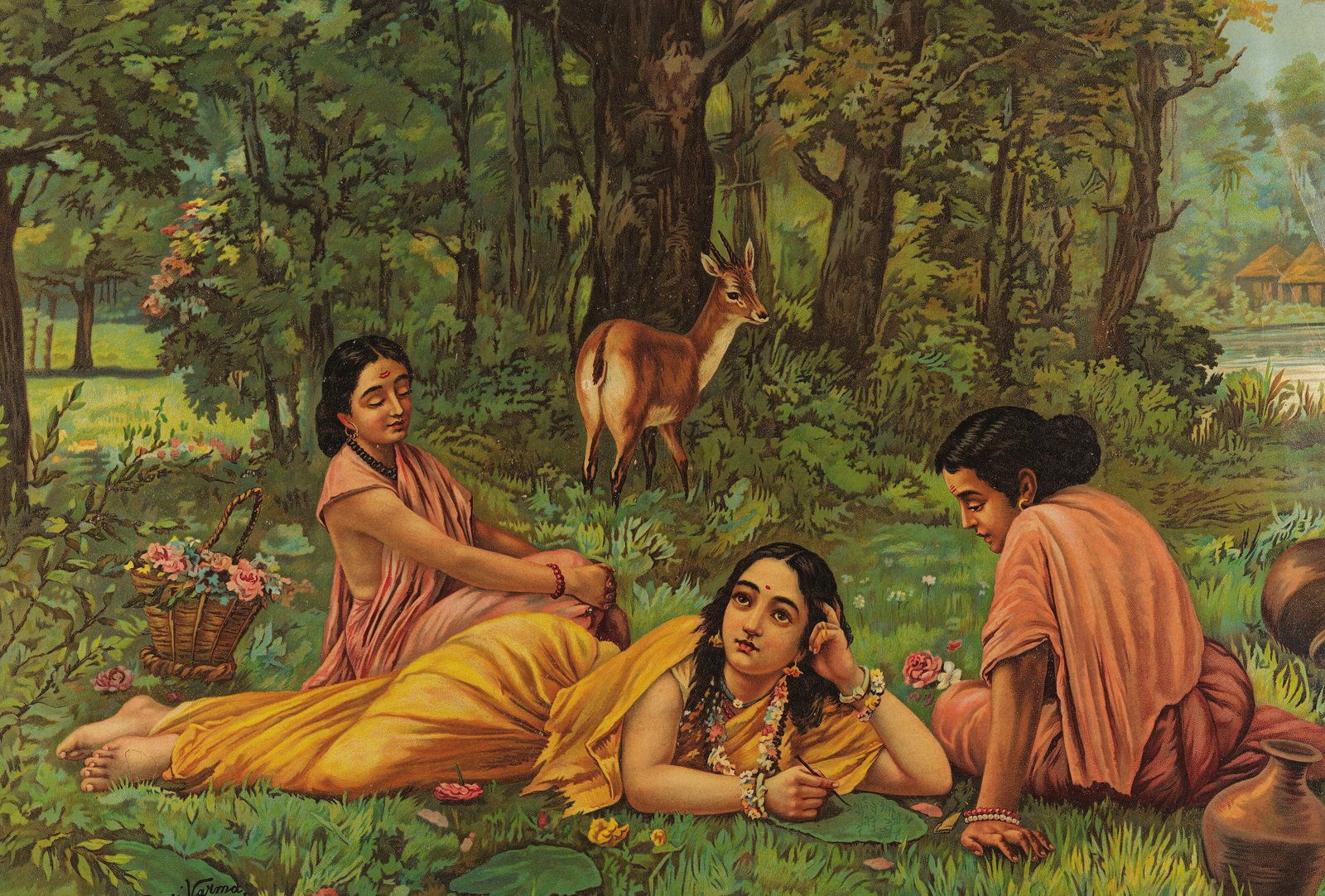
Fellowships, study and public conversation that carry the inheritance of story, text and philosophy into the present.
sutradhara.co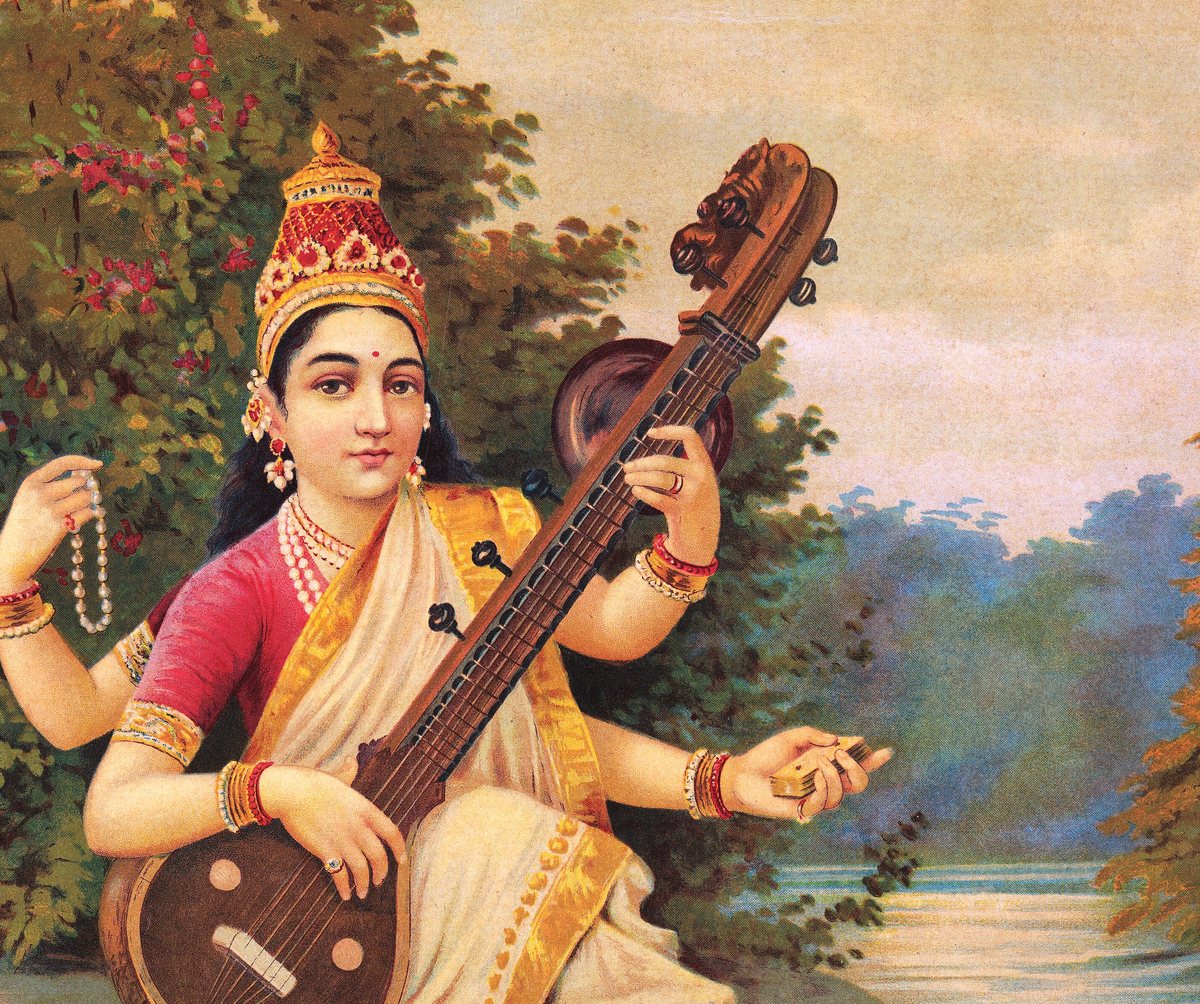
Manas
A forum on Hindu dharma, culture and artificial intelligence, built so that many traditions can speak in their own names.
Read about Manas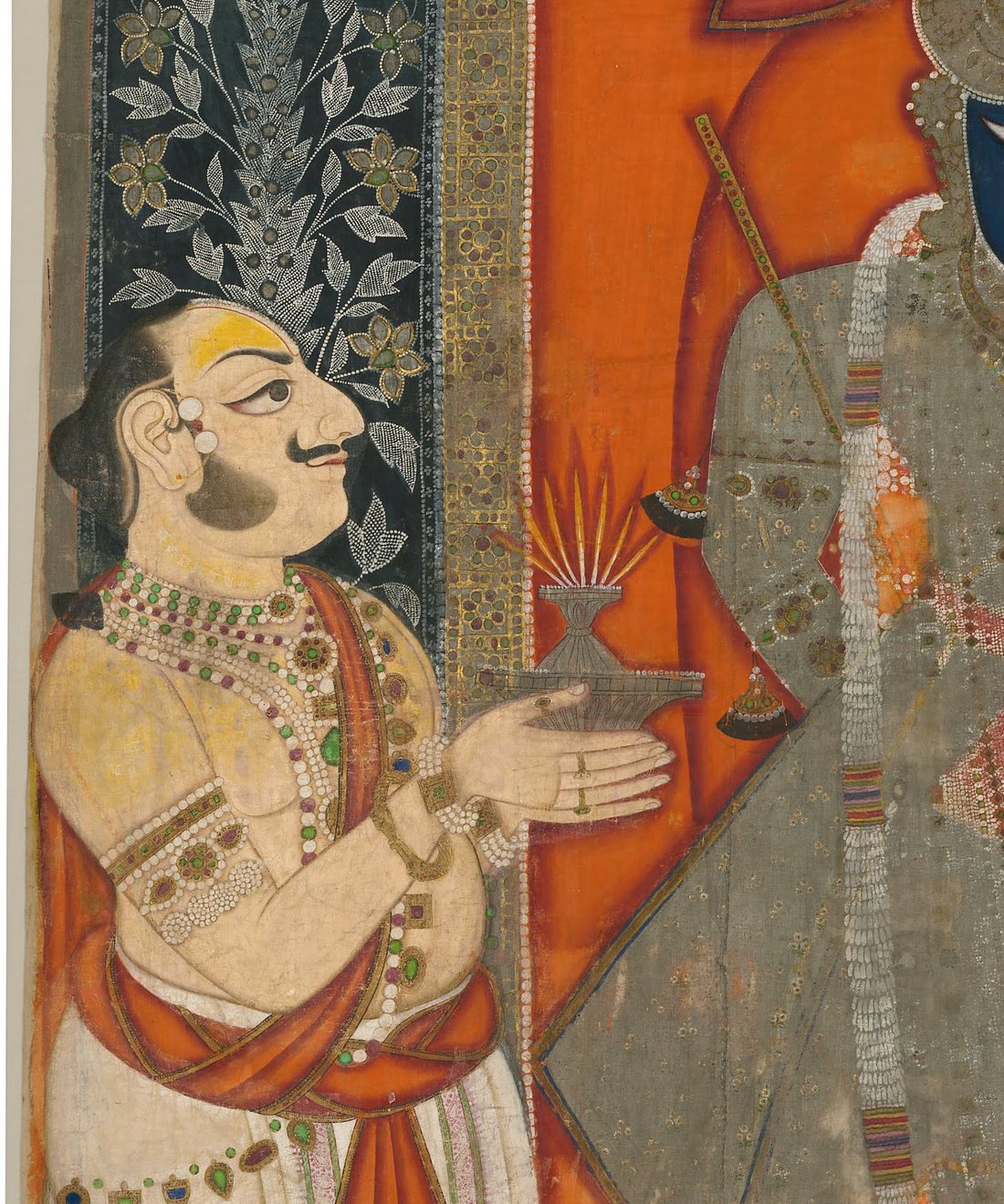
Temple Stewards Fellowship
Preparing the next generation of leaders of privately governed temples in the practices of good stewardship.
Read about the fellowship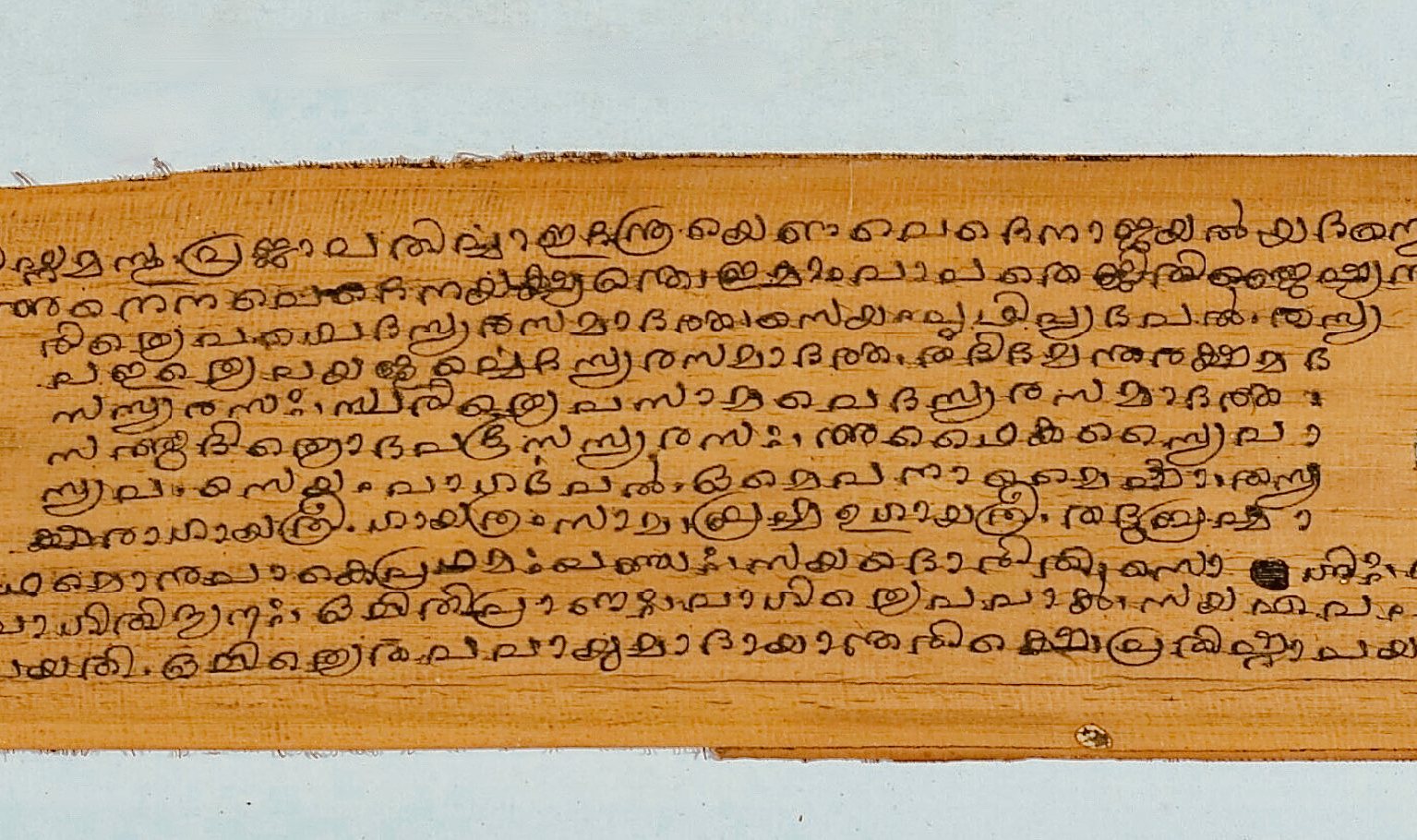
Sanskrit and Sanskriti
Opening the language, and the culture it carries, beyond specialist circles.
In development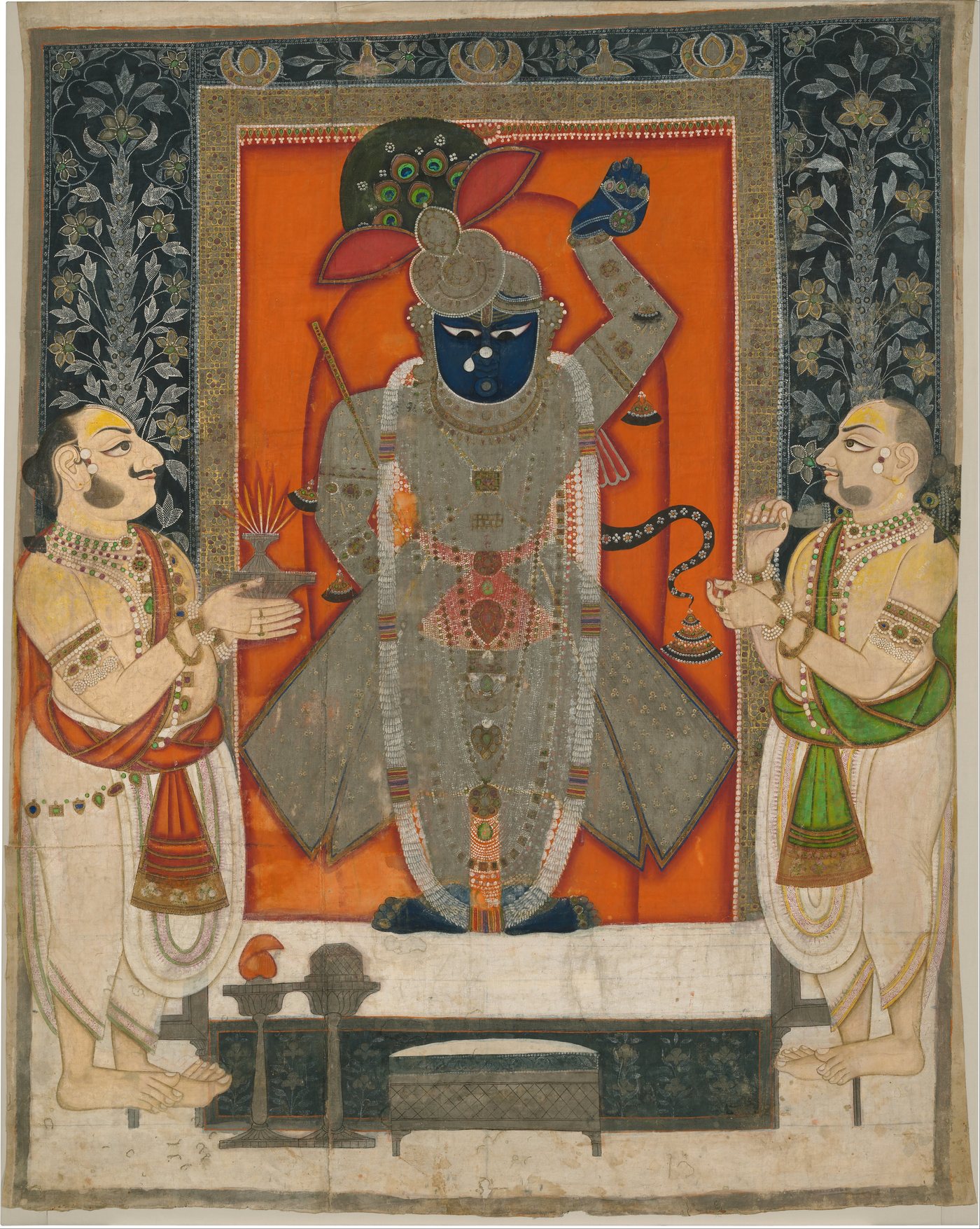
The Temple Stewards Fellowship.
A fellowship for the next generation of people who will run privately governed temples: heirs to trustee families, young board members of community temple societies, and those who will lead temples in the diaspora.
Most of these temples pass from one generation to the next with little formal preparation. Successors learn on the job, often in the middle of a dispute, an audit or a festival-day crowd. The fellowship gives them a structured grounding in good stewardship, and a circle of peers facing the same work.
Trusteeship and governance
Trust deeds and bylaws, how boards work, conflicts of interest, and planning succession before it is forced.
Money held in trust
Accounts and audits, handling donations, endowments, and reporting openly to the community.
Priests and staff
Fair terms, housing, training and dignity for archakas, pujaris and sevaks.
Fidelity to tradition
Working with ācāryas so that any change to practice is made with authority, not convenience.
Care for people
Crowd safety on festival days, safeguarding, and access for elders and the disabled.
Buildings and heritage
Conserving old structures, mūrtis and records, and building new with respect.
Law and compliance
Trust and charity law in India, nonprofit law abroad, and questions of property.
The young and the digital
Keeping the next generation close, and handling online darśan, giving and AI with care.
How it works
- A small cohort, chosen for the responsibility fellows hold or will soon inherit.
- Held in confidence under the Chatham House Rule, so fellows can bring the real problems of their own temples.
- Mentors who have done the work: experienced trustees, archakas, lawyers, accountants and conservation architects.
- A casebook of real situations from temples, with names removed.
- A project at home: one concrete improvement at each fellow's own temple during the year.
What the fellowship will not do
It will not tell any temple how to worship. Ritual belongs to each temple's own tradition and its ācāryas. The fellowship is about caring well for the institution that makes worship possible.
The first cohort and application dates will be announced here.
स्वाध्यायप्रवचनाभ्यां न प्रमदितव्यम् ।
Taittirīya Upaniṣad 1.11.1, the teacher's charge to the graduating studentNever neglect your own study, nor the teaching of others.
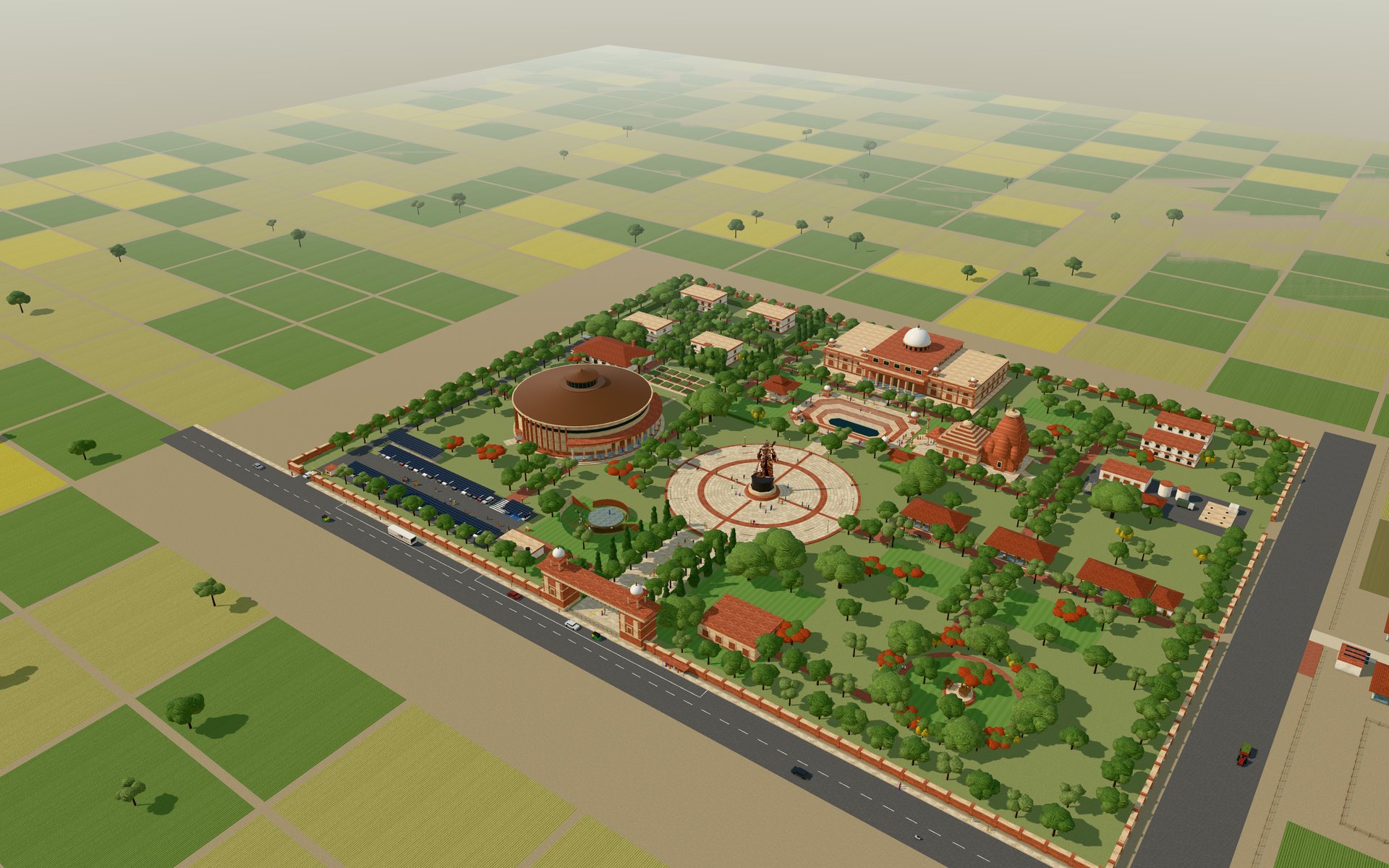
A permanent campus at Kurukshetra.
On the field where the Gita was spoken, the Council plans a single campus for the library and its manuscript vault, the press, the pathshalas and classrooms, a 1,200-seat hall for seminars and debate, a temple and residences for visiting scholars.
- 17.8acres
- 1,200seat hall
- 2028planned opening
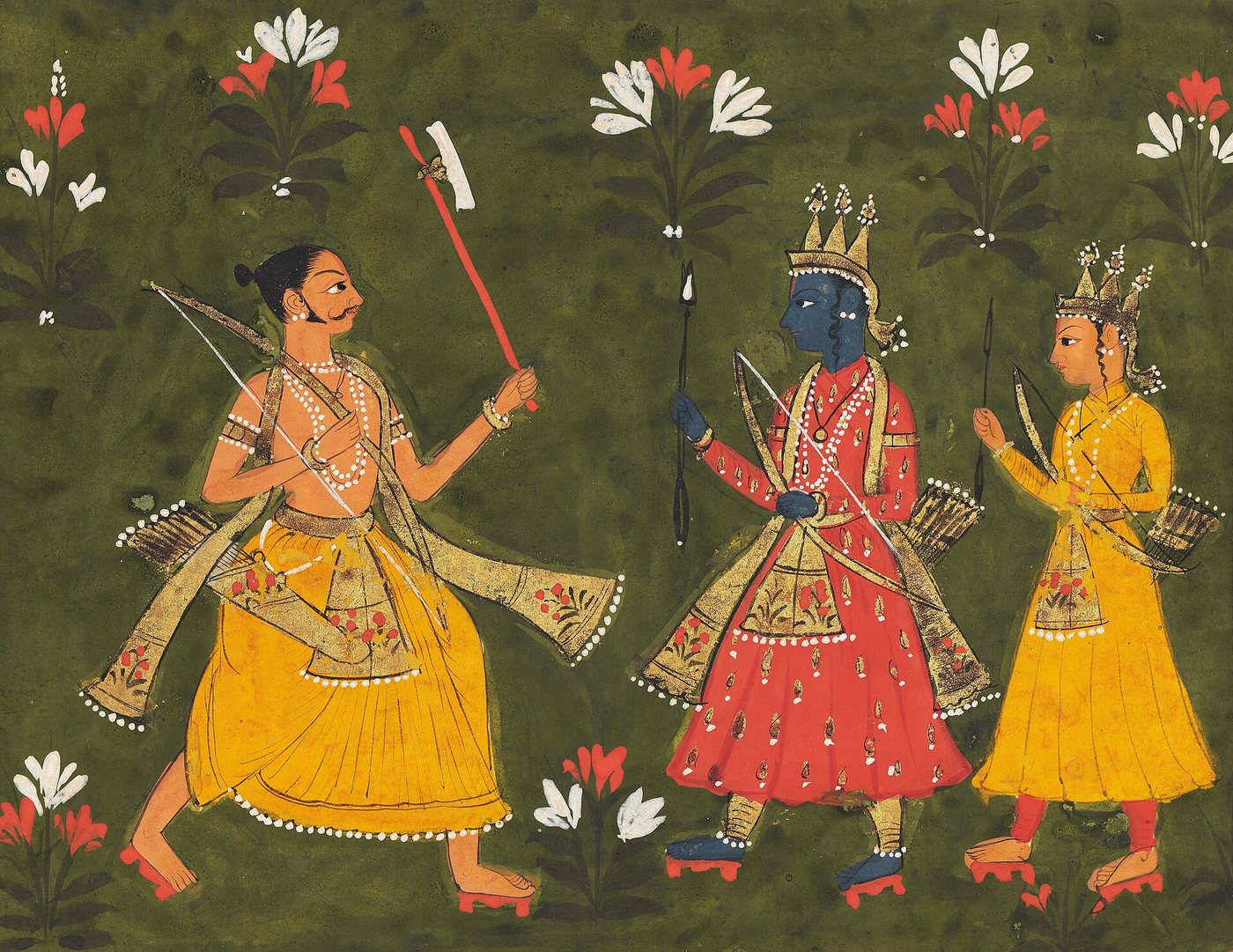
At the centre of the campus, on the axis to the library, will stand a statue of Bhagawan Parashurama.Bikaner, early 18th century, Parashurama challenges Rama. National Museum, New Delhi. Public domain.
View from the Council's concept model. Design in development.
Writing
Essays on the scriptures, the manuscripts that carry them, and the people who teach and debate them. Our writing program begins shortly.
-
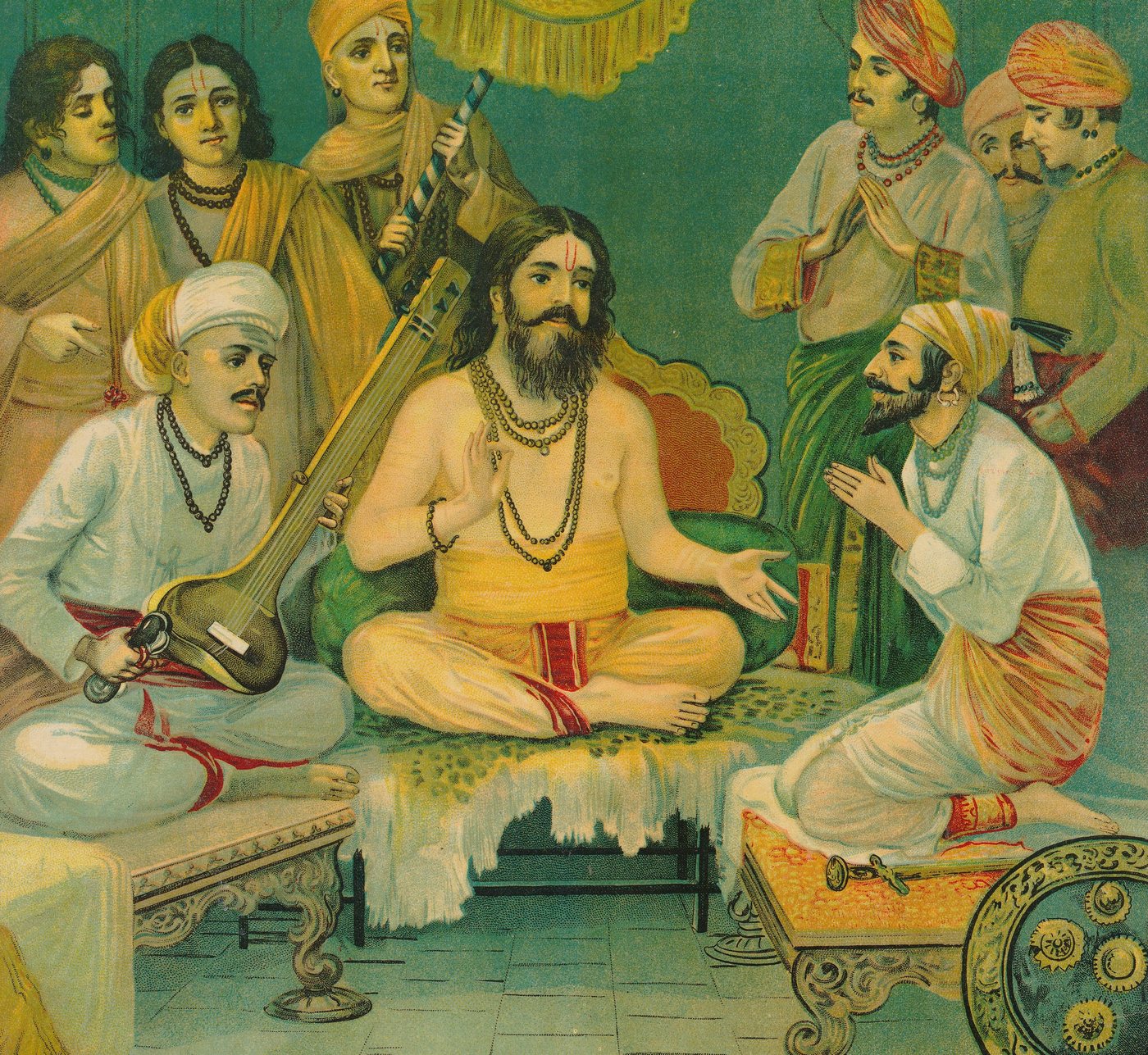
M. V. Dhurandhar, Shivaji meets Samarth Ramdas. Public domain. TraditionŚāstra and śastra: what Parashurama and Chanakya ask of the scholar
Two teachers, a millennium apart, who held that learning is a trust to be kept and defended, not a private possession.
Forthcoming - Manuscripts
The library we are losing: India's manuscripts and the race to save them
Millions of manuscripts survive in temples, maṭhas and family homes. Many will not survive another generation without help.
Forthcoming - Teaching
The pathshala in the twenty-first century
What it takes to teach the Vedas well today, and to give the students who learn them a future.
Forthcoming - Debate
Śāstrārtha: the lost art of the formal argument
India once settled its deepest questions in public debate under agreed rules. What would it take to revive it?
Forthcoming - Faith and technology
Who speaks for a tradition with many voices?
On building a table for Hindu thought in the age of artificial intelligence.
Forthcoming
Get involved.
Take part in a workshop or program, propose a collaboration, or support the Council's work. A note by email reaches us directly.
- General inquiries
- contact@chanakyacouncil.org
- Programs and partnerships
- programs@chanakyacouncil.org
- Support the Council
- The Council is a 501(c)(3) nonprofit. Gifts are tax-deductible to the extent permitted by law.