Manas
Hindu dharma, culture and artificial intelligence
Artificial intelligence is changing how people learn, worship, marry, mourn, heal and make art. Hindu traditions have reflected on the mind for three thousand years. Manas is the Council's effort to build a lasting place where those traditions, in all their variety, can think about AI together and speak to the world about it.
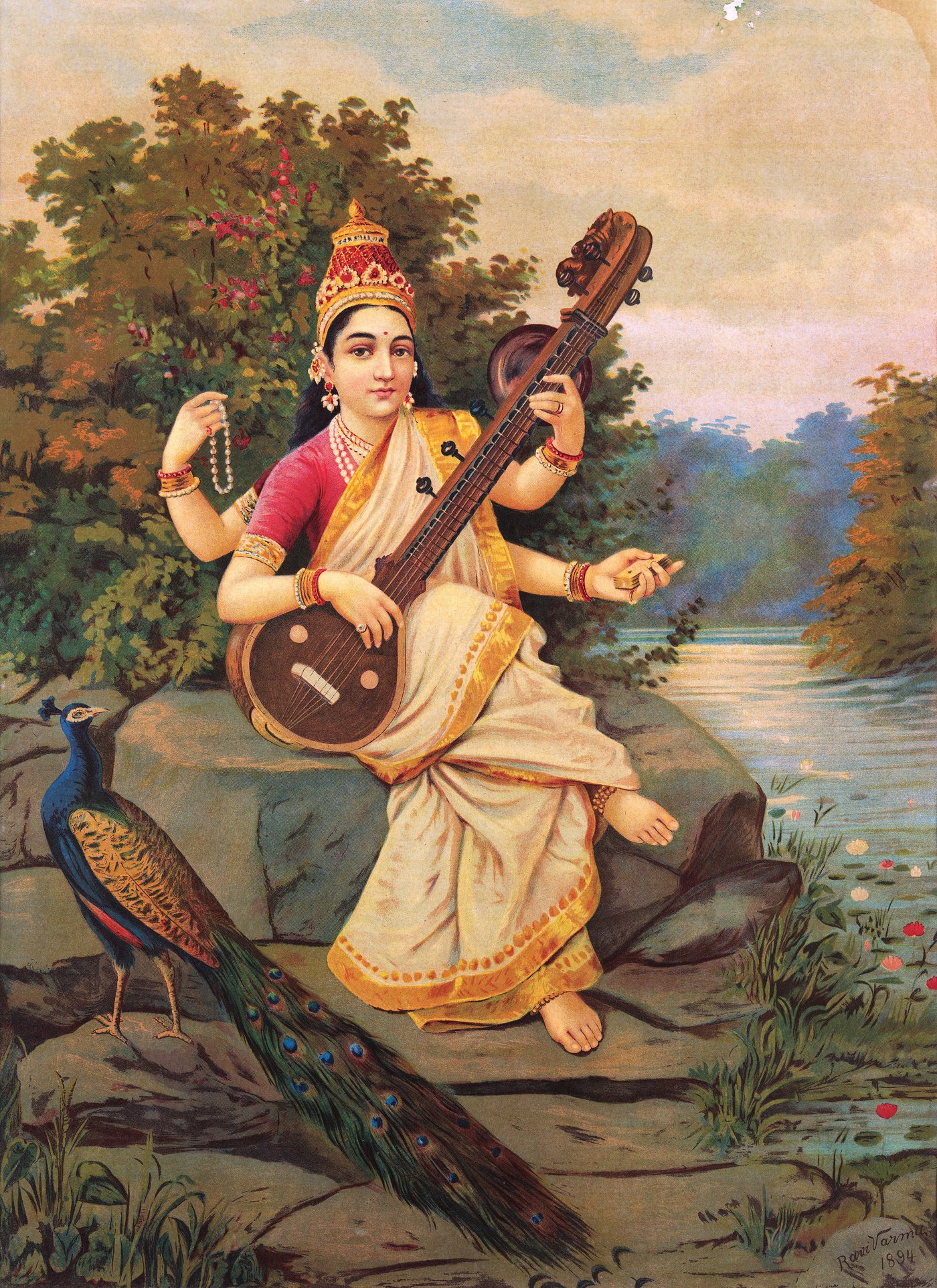
AI is already inside Hindu life.
Ask a chatbot about the Upaniṣads, the Purāṇas, the Tamil hymns of the Ālvārs or the abhaṅgs of Tukārām, and it will answer with confidence. Apps cast horoscopes and pick muhūrtas. Generated songs fill devotional playlists. Images of deities are made in seconds, and some temples stream darśan to devotees continents away.
Much of this is useful. A grandmother in Chennai can follow a festival in Pittsburgh. Fragile manuscripts can be read again, and texts locked in one language can reach readers in another. But decisions about how Hindu life is represented, explained and sold are being made in product teams and in training data, mostly without the people who carry the tradition in the room.
The question is not whether Hindu dharma will meet AI. It already has. The question is whether it meets it with understanding, and with a voice of its own.
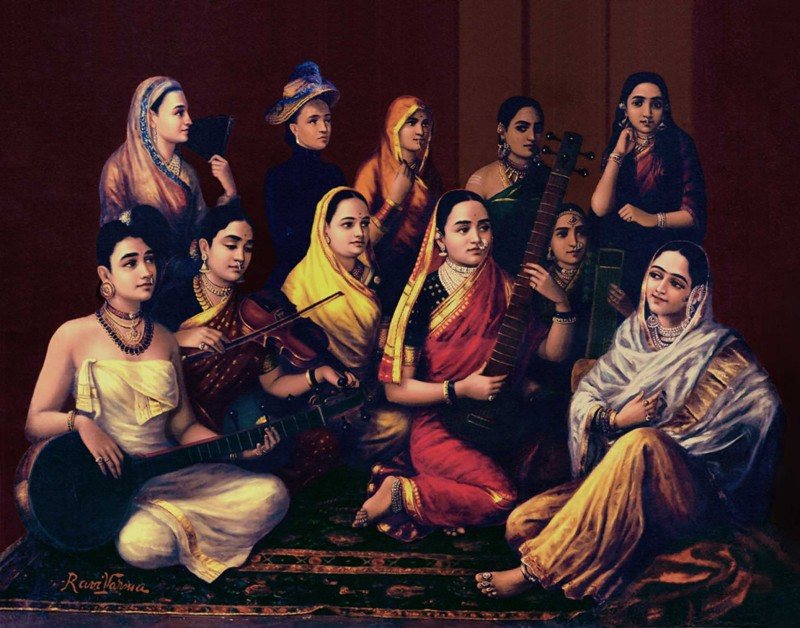
Hindu dharma has never spoken through a single authority.
Its authority lives in thousands of maṭhas and pīṭhas, in sampradāyas and lineages, in temples, teachers and households, across India and a worldwide diaspora. That plurality is one of its great strengths, and it is not going to change.
It does mean that no single statement will ever answer for the tradition, and no single figure can sit at the table for more than a billion people. If Hindu traditions are to take part in the world's conversation about AI, they need a different kind of structure: one that convenes rather than commands, records disagreement honestly, and lets many voices speak in their own names.
The Council does not seek to speak for Hindus. It seeks to build the table.
एकं सद्विप्रा बहुधा वदन्ति ।
Ṛgveda 1.164.46Truth is one; the wise speak of it in many ways.
Nine questions across the whole of Hindu life.
We do not begin with answers. These are the questions the forum is built to work through, from scripture and philosophy to the temple, the household and the arts.
Authority. When a machine explains the texts, whose reading is it?
Śruti and smṛti, the epics and Purāṇas, the Āgamas and Tantras, and the bhakti poets in a dozen languages are read differently by Advaita, Viśiṣṭādvaita and Dvaita, by Śaiva Siddhānta and Kashmir Śaivism, by Śākta and Vaiṣṇava schools. Meaning passes through paramparā, lineages of teachers. How should a machine represent that difference, and say where its reading comes from?
Representation. How do these systems see Hindus?
Models learn from what is written and posted, and much of what is written about Hindu life comes from outside it, mostly in English. We want to know where they are accurate, where they flatten many traditions into one, and where they repeat caricature, and to say so with evidence.
Mind. What do the darśanas add to the debate about machine minds?
Sāṃkhya, Yoga, Nyāya and Vedānta distinguish manas, buddhi, ahaṃkāra and citta, and set all of them apart from consciousness itself. Those careful distinctions are largely missing from today's arguments about whether machines think or feel.
Worship. What belongs in the temple, and what does not?
Online darśan, automated āratī, generated mantras and digital images of deities raise questions the Āgamas never had to answer. Can an image on a screen receive worship? What does a consecrated presence mean when the devotee is watching a stream? Each temple's own tradition must answer, but no temple should have to answer alone.
Life's passages. What happens to the saṃskāras?
Apps now guide pūjās, match horoscopes for marriage and choose auspicious times. Services offer to let families speak with simulations of the dead. From naming to marriage to the last rites and śrāddha, the rites of passage carry a family's dharma. What should be left to a person, a priest and a family?
Ethics. What can dharma say to those who build and govern AI?
Ideas of duty, non-harm, truthfulness, and action and its consequences run through the śāstras and the epics. We want to test what they can offer the governance of AI, including its effects on work and livelihood, and how to keep it from reproducing old injustices of caste, gender, language and region.
Knowledge and language. How do we keep, and share, what might be lost?
Manuscripts in fragile collections, regional scripts that software still reads badly, and oral recitation traditions with fewer teachers each year could all be helped. So could Āyurveda and Yoga, which are increasingly packaged and sold by others. That work must respect the communities who hold the knowledge, including what they choose not to share.
Arts. What happens to devotion made by machines?
Carnatic and Hindustani music, bhajan and kīrtan, classical dance, temple sculpture and painting are forms of sādhana as well as art. Generated devotional music and imagery are now everywhere. What is lost, what is gained, and what do we owe the living artists and the guru-śiṣya traditions that trained them?
Truth and harmony. How do we answer fabrication?
Invented scripture, misattributed quotations and synthetic video can mislead believers or inflame conflict between communities. Telling the authentic from the fabricated is now a civic skill, and religious institutions need it as much as newsrooms do.
What Manas will actually do.
Mostly, Manas is a set of rooms where the right people sit down together, and the work that comes out of those conversations. A single conference cannot hold a conversation this long, so we are building something that can.
The Sabhā
A gathering of ācāryas, scholars and practitioners from many sampradāyas, regions and the diaspora. Members serve for a term and then make room for others. Each speaks for their own tradition and in their own name.
Working groups
One small group for each of the nine questions, where a Sanskrit scholar might sit beside a software engineer and a temple priest beside a lawyer. Most of the real thinking happens here.
A shared statement
Principles on AI, written slowly and in the open, with several rounds for people to push back. Maṭhas, temples and individuals can sign it in their own names. Where traditions disagree, it says so.
Notes for temples and families
Short, plain answers to what people are already asking. Is watching darśan online enough? Should an app choose the muhūrta for a wedding? What should a temple do with its devotees' data?
Asking the machines
Reviewers from different traditions put the same questions about texts, festivals and practice to the AI tools people use most, then publish what those tools get right and what they get wrong.
Someone to call
When AI news touches Hindu life, journalists, temples and families can reach scholars and practitioners who know the tradition well, and hear more than one view.
A seat at other tables
Hindu scholars and practitioners present where AI ethics is discussed, alongside people of other faiths and in conversation with companies, universities and governments.
The Council's part
We book the rooms, take the notes, translate and publish. We do not decide what the tradition teaches.
How a question gets worked through.
Slowly, and with people before papers. Every question goes through the same six steps, and we return to it as the technology changes.
Listen
We sit with temple committees, teachers, parents and students in India and abroad, and ask what worries them.
Gather
The working group meets with whoever else it needs. Some conversations stay private so people can speak freely.
Write
Someone drafts a short note and shows their reasoning and their sources.
Share
The Sabhā and a wider circle read it and respond. Those who disagree are quoted by name if they wish.
Publish
It goes out free, in English and in Indian languages, with the names of the people who wrote it.
Return
As the tools change, so do the questions. We come back and look again.
What you can expect from us
- Room for every tradition. Śaiva, Vaiṣṇava, Śākta, Smārta and more; maṭhas and households; India and the diaspora. Nobody speaks for all Hindus, and that includes us.
- Texts and lived practice. We read the śāstras closely, and we also listen to how people pray, marry and mourn today.
- Honesty about disagreement. When traditions see a question differently, we publish both views and let readers weigh them.
- Clear eyes on the technology. We are neither afraid of AI nor selling it, and we ask people who build it to check what we say about it.
- Independence. We serve no party or political cause. Any money from technology companies is disclosed, and it buys no conclusions.
- Good neighbours. Jain, Buddhist and Sikh traditions share much of this inheritance, and people of other faiths are asking the same questions. We want to learn from them.
Where we start
- FirstListeningConversations in temples, homes and campuses in India and the diaspora, and the first invitations to the Sabhā.
- NextFirst answersThe first working groups meet and publish their first notes for temples and families, along with a first look at how AI tools describe Hindu life.
- ThenA statement anyone can readA draft of the shared principles, open for comment from anyone before it is opened for signatures.
Who we want in the room.
- Heads of maṭhas and pīṭhas, and their ācāryas
- Priests, temple trustees and the volunteers who run temples abroad
- Teachers at gurukulas, pāṭhaśālās and universities
- Scholars of philosophy, religion, Sanskrit and the regional languages
- Musicians, dancers and artists of the classical traditions
- Engineers and researchers who build AI
- Lawyers, ethicists and people who write policy
- Students, young professionals, and parents raising the next generation
- People of other faiths thinking through the same questions
Why "Manas".
Manas is the mind: the faculty that gathers the senses and holds the reins. The Kaṭha Upaniṣad pictures the self as a rider in a chariot, the intellect as charioteer and the mind as the reins. Our own age is asking the same question of its machines: who is holding the reins, and toward what?
आत्मानं रथिनं विद्धि शरीरं रथमेव तु ।
बुद्धिं तु सारथिं विद्धि मनः प्रग्रहमेव च ॥
Come and take part.
Right now we are looking for three kinds of people. Temples, maṭhas and community groups willing to host the first listening sessions. Ācāryas and scholars who would join the Sabhā or a working group. And engineers and researchers who want the tradition described well in the tools they build.
- Institutions and the Sabhā
- programs@chanakyacouncil.org
- General inquiries
- contact@chanakyacouncil.org
- Related
- The Temple Stewards Fellowship takes this work into the day-to-day running of temples.
Write and tell us a little about yourself: your tradition or temple, or the work you do, and which of the nine questions matters most to you.