
Featured essay · Statecraft
The ethics of counsel: what Kautilya still teaches the modern adviser
Power without restraint corrodes the counsel it depends on. Reading the Arthaśāstra for a discipline that binds strategy to the public good.
Washington, D.C. · Established 2026
An independent council for ethical leadership, considered counsel, and the renewal of enduring ideas.
Our purpose धर्म
We promote ethical and civic leadership, cultural and philosophical education, and intellectual and personal development. We support community service, intergenerational exchange, and the preservation and renewal of cultural and philosophical traditions, including the classical languages that carry them.
The name is drawn from Chanakya, also known as Kautilya, whose counsel joined ethics to statecraft. In that spirit the Council is nonpartisan and independent, concerned with enduring questions rather than passing ones.
प्रजासुखे सुखं राज्ञः प्रजानां च हिते हितम्।
In the happiness of his subjects lies the king’s happiness; in their welfare, his welfare.
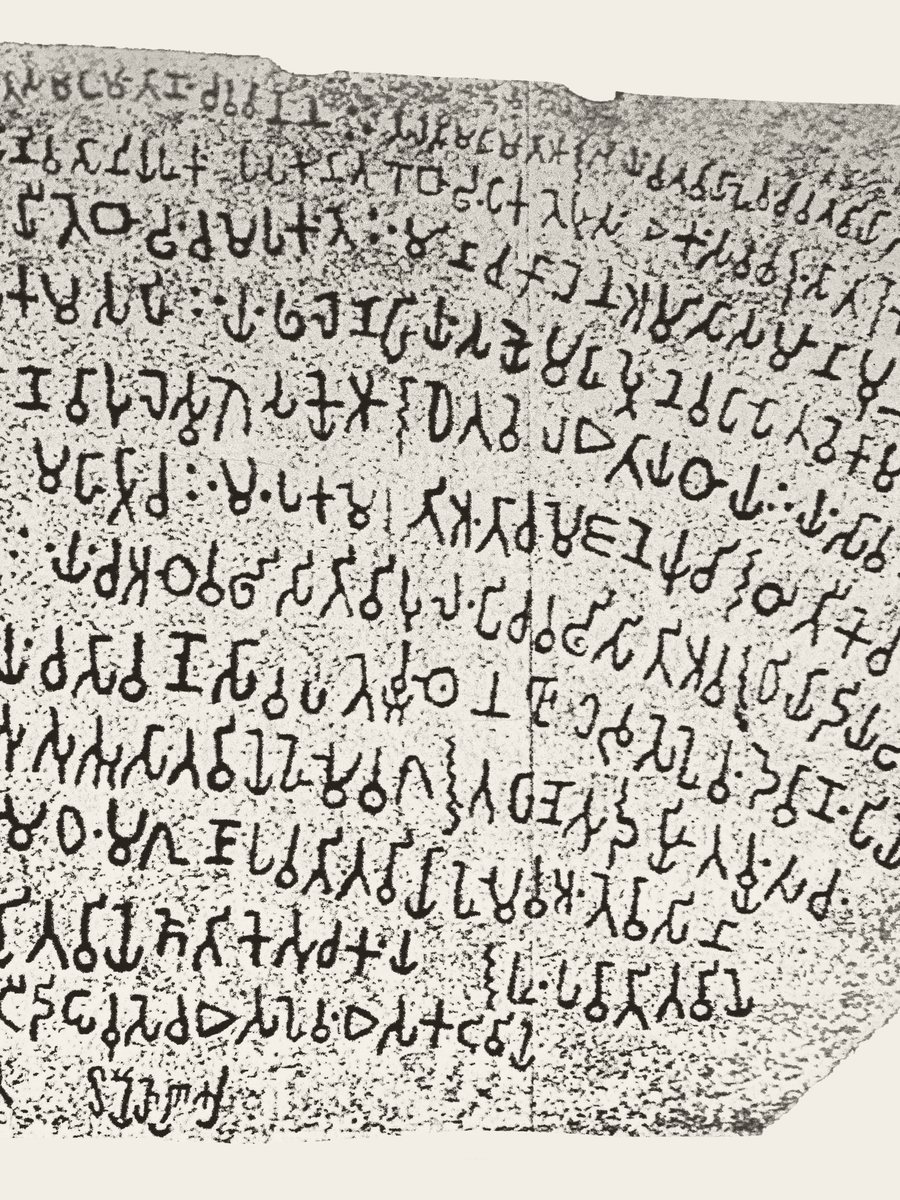
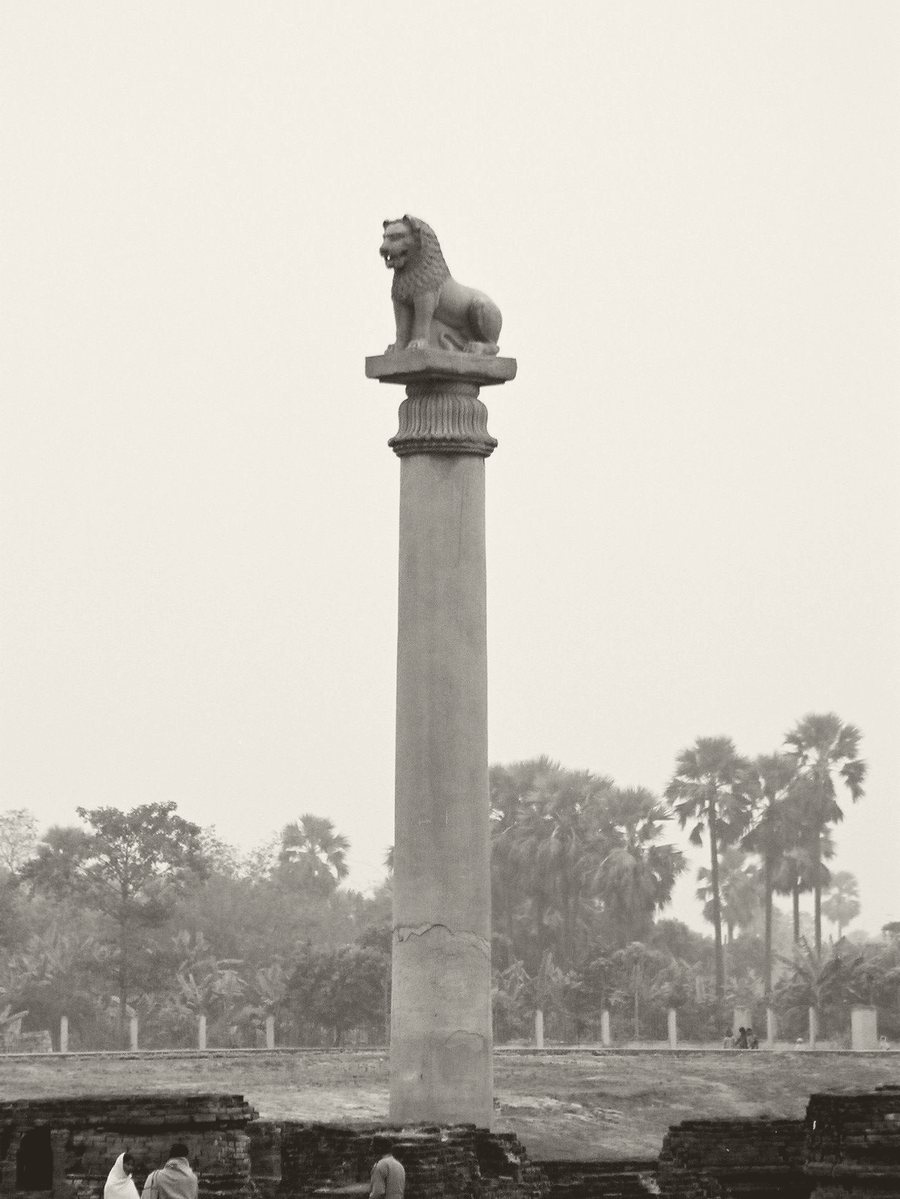
On the name कौटिल्य
Chanakya, known also as Kautilya and Vishnugupta, was a teacher, jurist, and counsellor of the fourth century BCE, and the author of the Arthaśāstra, the earliest Indian treatise on statecraft, economics, and the ethics of power.
He is remembered for joining rigorous strategy to a first duty: the welfare of the governed. The Council takes his name as a standard, not a style. We are concerned with judgment, institutions, and the long horizon, in the tradition of counsel he represents.
Language & culture संस्कृति
Sanskrit has carried the thought of a civilization for millennia. The Council treats it not as a relic to be catalogued, but as a living inheritance: a language, and the culture it carries, worth renewing and putting to use.
How the Council works अभ्यास
The living tradition
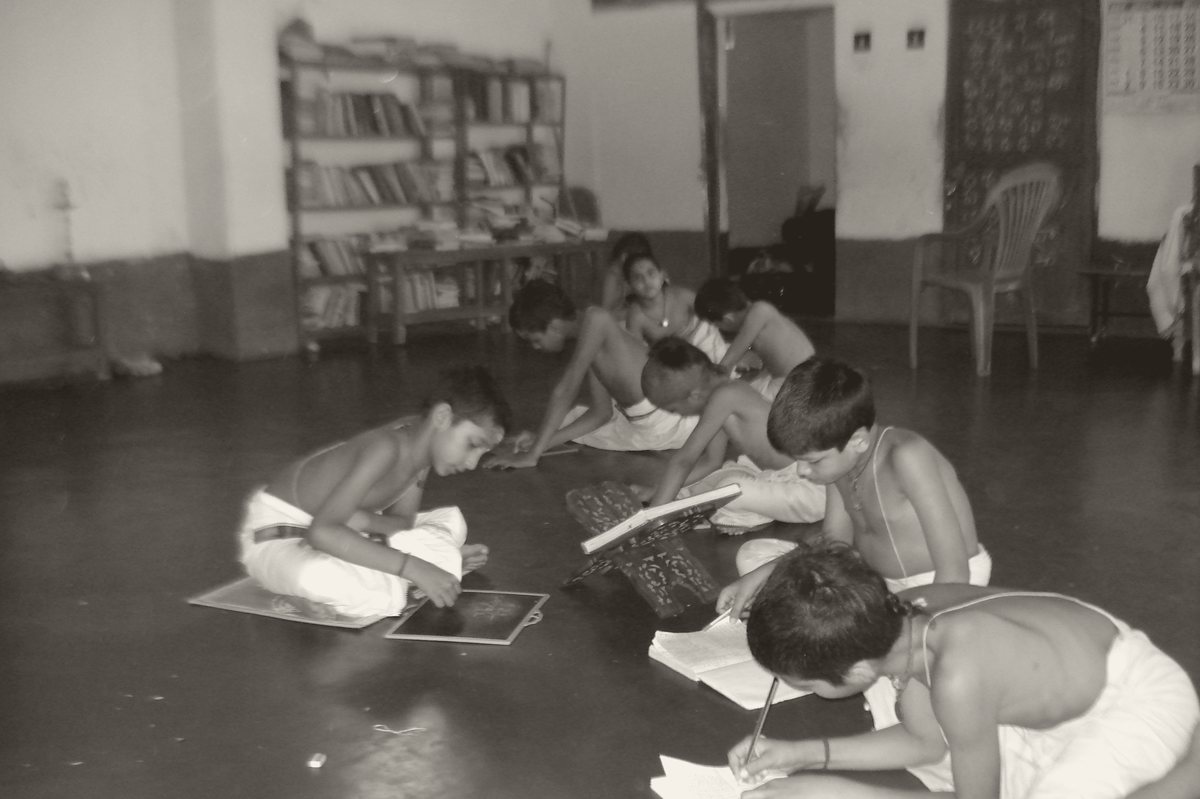
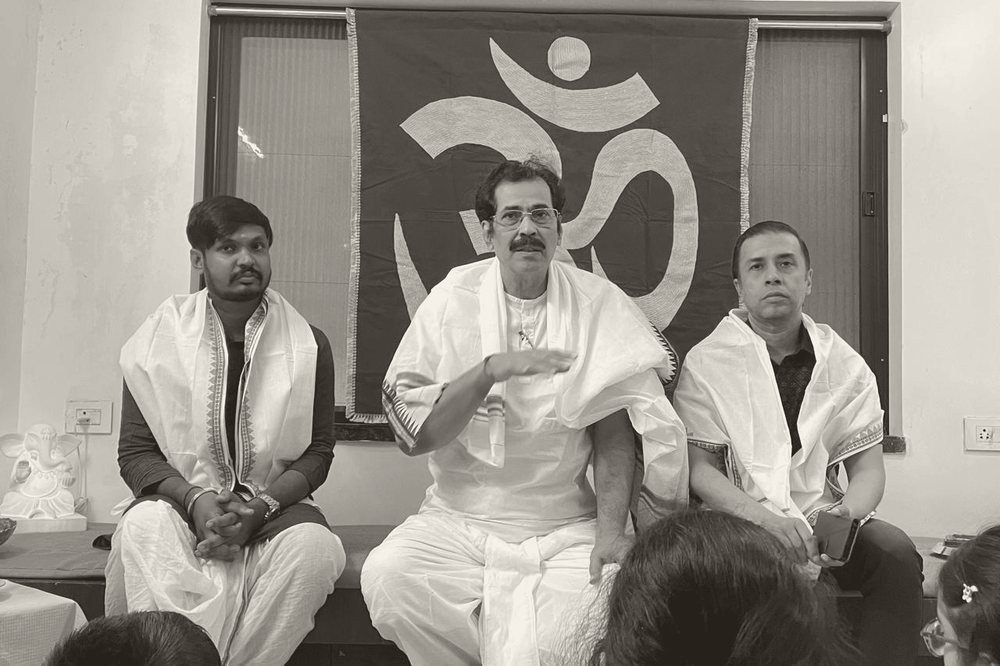
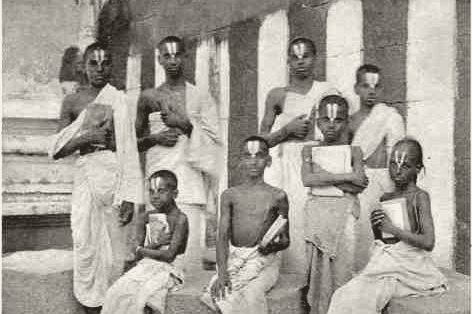
The Vedas have been taught, recited, and passed from teacher to student for millennia. The photographs below are from that living tradition, the one the Council exists to serve. They are not images of the Council’s own programmes, which are in development.
Programs विद्या
The Council’s program in cultural and philosophical inheritance. Fellowships, study, and public conversation that carry enduring traditions into present practice.
Continue at sutradhara.coReviving the language and the culture it carries. Making Sanskrit accessible beyond specialist circles, and reading its classical knowledge for present questions in the sciences, ethics, and the arts.
[ Programme and partners to be announced ]
Retreats, lectures, and closed-door discussions that bring practitioners and scholars into the same room around questions of ethics and leadership.
[ Upcoming sessions to be listed ]
Independent research and writing on statecraft, ethics, and the institutions of public life, published for a general as well as a scholarly reader.
[ First publications forthcoming ]
Structured leadership development and fellowships for a rising generation of civic and cultural leaders.
[ Fellowship intake to be announced ]
The Council at Kurukshetra कुरुक्षेत्र
On the field of Kurukshetra, where the Gita was spoken, the Council intends to build a permanent home: a seat where the classical tradition is gathered, studied, taught, printed, and kept in use.
Planned · Opening 2028 · Concept design
Among the largest libraries of heritage and culture: manuscripts, printed books, and digital archives, open to scholars and to the public.
A press in the spirit of the Gita Press, printing the classical texts and new scholarship in many languages, at prices that keep them within reach.
Traditional teaching cloisters where the Vedas and the śāstras are learned in the classical manner, beside modern study.
Halls for recitation, teaching, and public gatherings, with residences for fellows and visiting scholars.
The spirit of the place
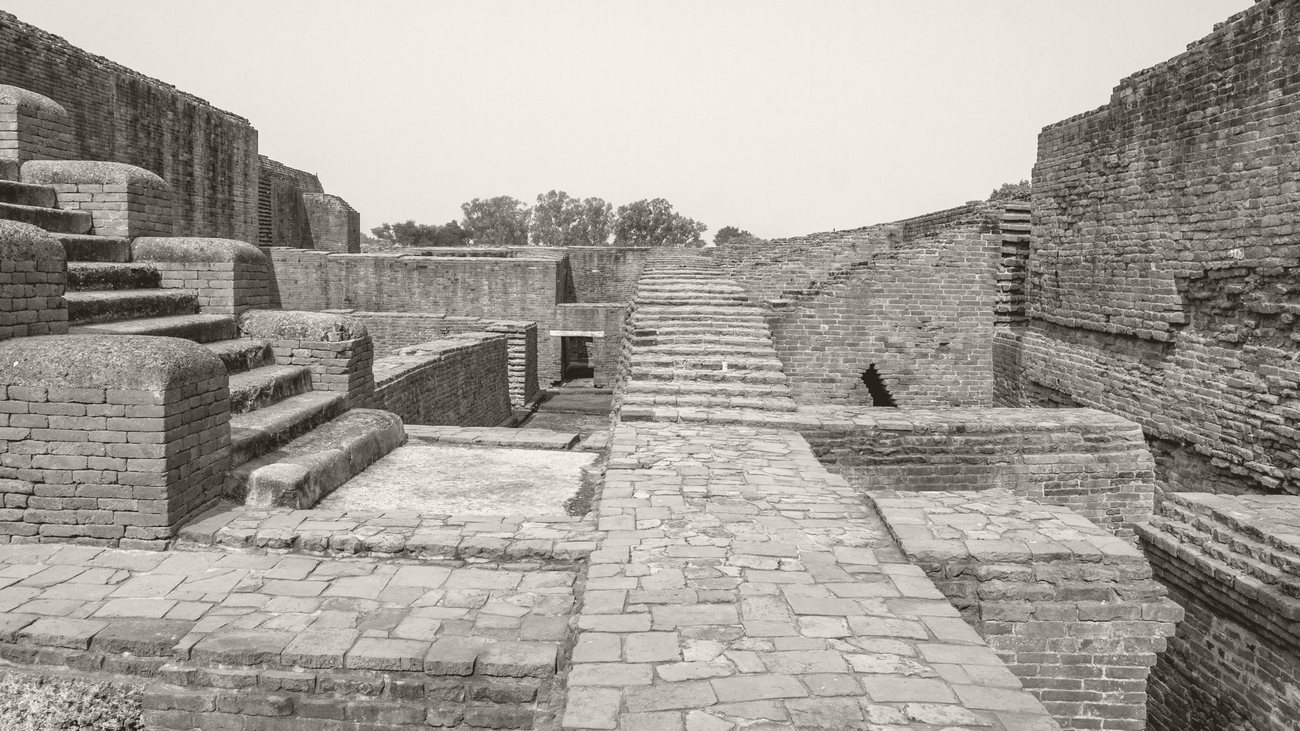
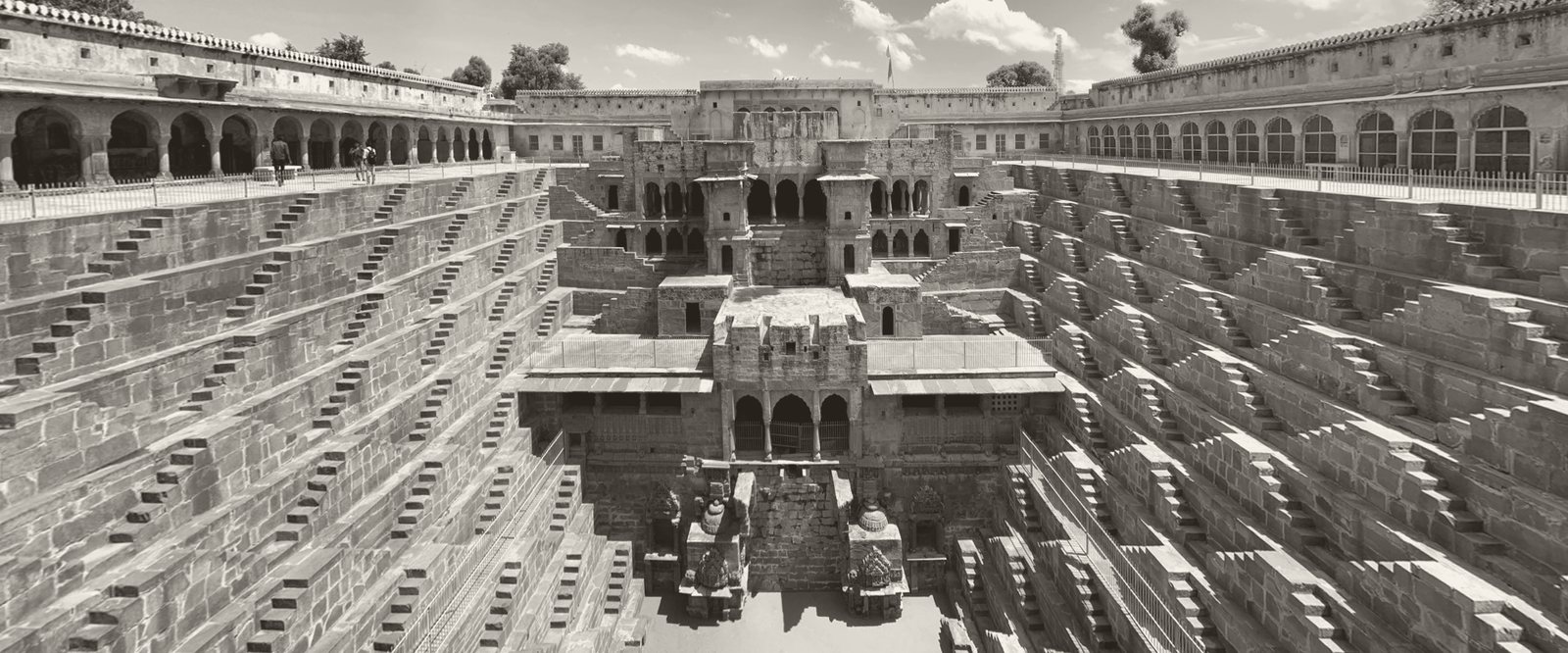
Concept drawings and reference photographs. Location, scale, and facilities are in development and subject to change.
Writing लेखन
Independent writing from the Council on statecraft, ethics, and the institutions of public life. The writing program launches shortly; the pieces below are placeholders.
Featured essay · Statecraft
Power without restraint corrodes the counsel it depends on. Reading the Arthaśāstra for a discipline that binds strategy to the public good.
Ethics
Why the Council’s programs cultivate practical wisdom rather than technique.
Civic Institutions
Notes on continuity, stewardship, and the patience good institutions require.
Cultural Heritage
How traditions are renewed, not merely preserved, through study and use.
From the Chanakya Nīti नीति
Of all forms of wealth, knowledge is the highest, for it cannot be stolen, divided, or spent.
Chanakya NītiDo not announce what you intend to do; keep your counsel, and let the finished deed speak for you.
Chanakya NītiA friend is proven in hardship, a servant in duty, and a mind in the hour of decision.
Chanakya NītiEngage संवाद
If you would like to take part in a workshop or program, propose a collaboration, or support the Council’s work, we would be glad to hear from you.
A formal interest form will follow. For now, a note by email reaches us directly.